
TP-Link Router Smart DNS Setup Guide
Follow this simple guide to set up UnGeo Smart DNS on your TP-Link router using the built-in router admin settings.

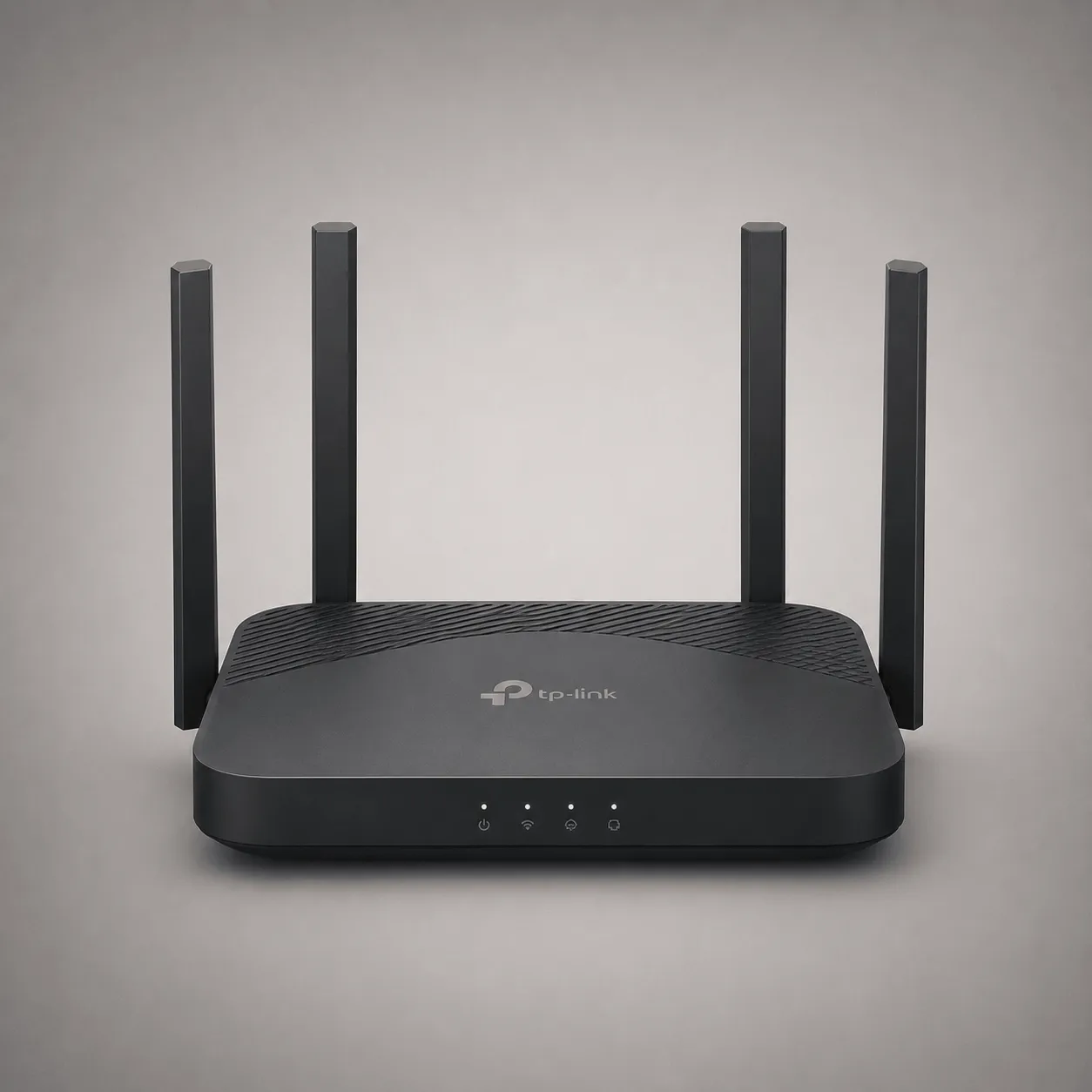
Before You Start
Before changing your DNS settings, make sure your UnGeo account is active and your current IP address is added in your Client Area. If that is already done, continue with the DNS setup below.
Don’t have an account yet?
Choose a plan and create your UnGeo account before setting up DNS.
Get Started ›Add your current IP address
Add your current IP address in the Client Area to allow UnGeo to work properly.
Register My IP Address ›Once both are done, continue with the DNS setup steps.
Step-by-Step Setup Guide
Open TP-Link Router Admin Panel
Open a browser on a device connected to your TP-Link router and go to the router admin page. Common addresses include tplinkwifi.net, 192.168.0.1, or 192.168.1.1.
Log In to Your Router
Enter your TP-Link router admin password to access the settings panel.
Open Advanced Settings
Go to Advanced to view the full router settings.
Find DNS Settings
Open Network, then check Internet, WAN, LAN Settings, or DHCP Server. The exact menu name depends on your TP-Link model and firmware version.
Disable Automatic DNS
If your router shows automatic DNS options, disable automatic DNS or select the option that allows custom DNS servers.
Enter Your UnGeo Smart DNS servers
In the Primary DNS or DNS Server 1 field, enter the primary UnGeo Smart DNS server shown in your Client Area. In the Secondary DNS or DNS Server 2 field, enter the secondary UnGeo Smart DNS server.
Save Your Changes
Click Save or Apply to store the new DNS settings.
Restart Your Router
Restart your TP-Link router so the new DNS settings are applied to your network.
Restart Connected Devices
Restart the devices connected to your TP-Link router so they receive the updated DNS settings.
You’re All Set!
Your TP-Link router is now ready to use UnGeo Smart DNS across your home network.
Setup Screenshots
Follow the screenshots below if you prefer a visual guide.
Ready to check your DNS?
After saving the UnGeo DNS addresses on your device, run a quick check to confirm that your connection is ready.