Chromecast Smart DNS Setup Guide
Follow this simple guide to use UnGeo Smart DNS with Chromecast by configuring DNS on your router.
Before You Start
Before changing your DNS settings, make sure your UnGeo account is active and your current IP address is added in your Client Area. If that is already done, continue with the DNS setup below.
Don’t have an account yet?
Choose a plan and create your UnGeo account before setting up DNS.
Get Started ›Add your current IP address
Add your current IP address in the Client Area to allow UnGeo to work properly.
Register My IP Address ›Once both are done, continue with the DNS setup steps.
Need router setup?
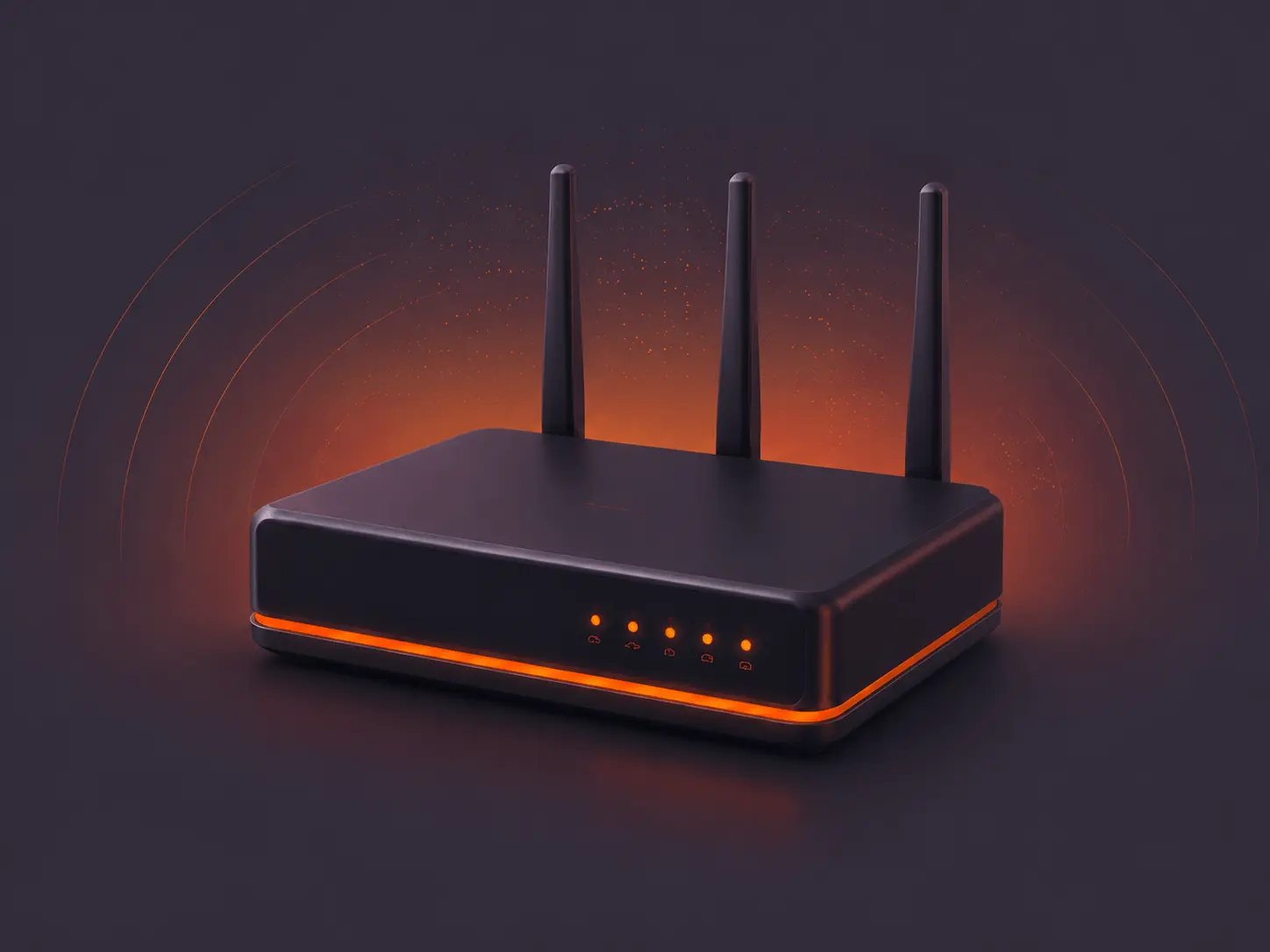
This device does not allow DNS servers to be changed directly on the device. To use UnGeo Smart DNS, configure DNS on your router instead.
If your router model is listed on our Setup page, follow the dedicated guide for that router. If your router is not listed, continue with the universal router setup steps below.
Step-by-Step Setup Guide
Check Your Chromecast Model
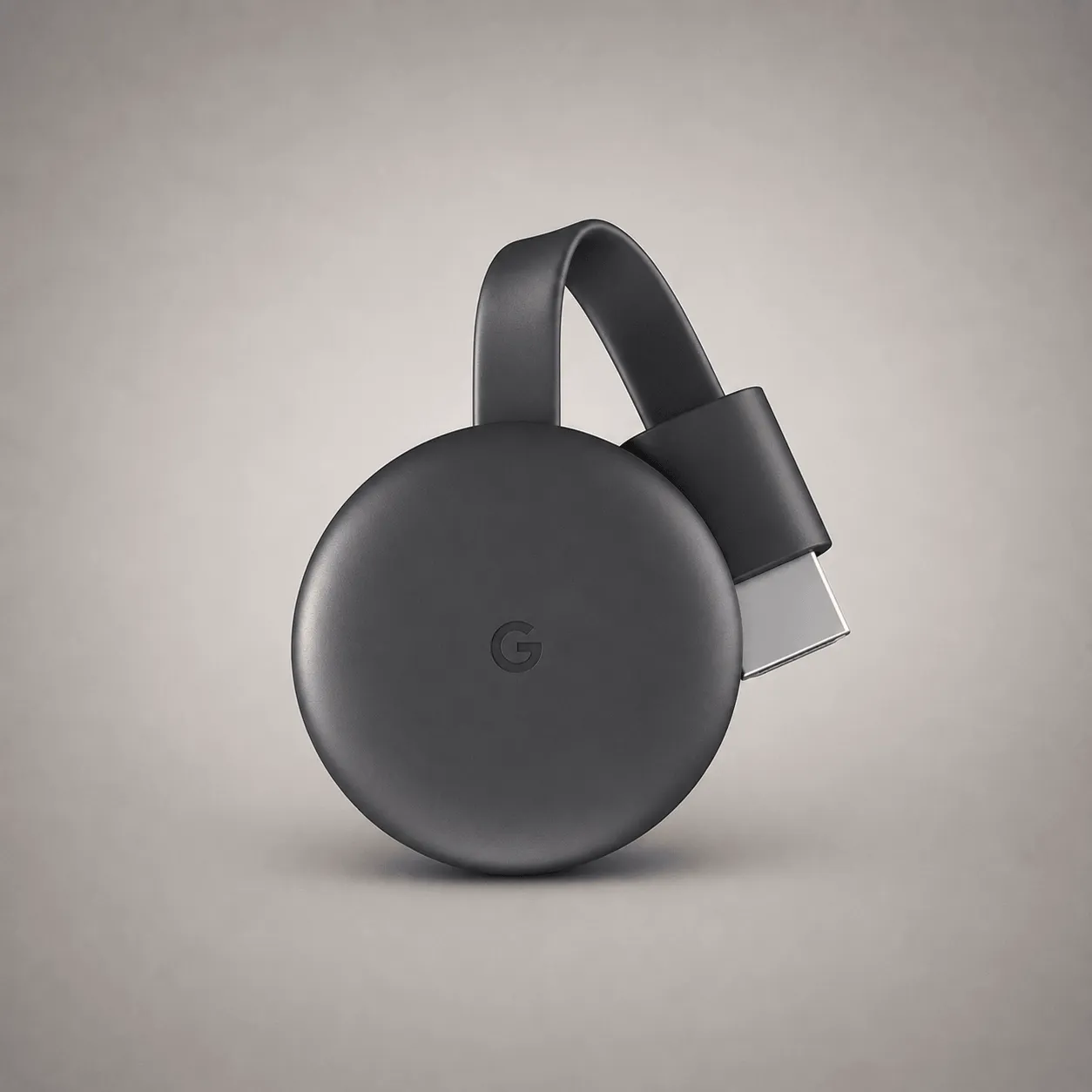
This guide is for classic Chromecast and Chromecast Ultra devices. If you use Chromecast with Google TV, follow the Google TV setup guide instead.
Open Your Router Settings
Open your router admin page in a browser. You can usually access it from a computer or phone connected to the same Wi-Fi network.
Find DNS Settings
Go to the router Internet, WAN, DHCP, or LAN settings section. The exact menu name depends on your router model.
Enter Your UnGeo Smart DNS servers
Replace the current DNS servers with the UnGeo Smart DNS servers shown in your Client Area.
Save Router Settings
Save or apply the new DNS settings on your router.
Block or Redirect Google DNS
If your router supports static routes or firewall rules, block or redirect Google DNS requests so Chromecast uses the DNS settings from your router.
Restart Your Router
Restart your router so the new DNS settings are applied to your home network.
Restart Chromecast
Unplug your Chromecast from power, wait a few seconds, then plug it back in.
Cast from Your Device
Open your streaming app on your phone, tablet, or computer and cast it to Chromecast.
You’re All Set!
Your Chromecast is now ready to stream your favorite channels with UnGeo Smart DNS.
Setup Screenshots
Follow the screenshots below if you prefer a visual guide.
Ready to check your DNS?
After saving the UnGeo DNS addresses on your device, run a quick check to confirm that your connection is ready.